Calming Your Nervous System

Energize. Nourish. Awaken.
Discover simple, science-backed nervous system calming techniques to reduce stress, regulate your body, and feel safe, grounded, and balanced again.

In a world that moves quickly and asks a lot of us, many people are living in a subtle (or not-so-subtle) state of stress. If you’ve been feeling wired but tired, overwhelmed by small things, struggling with sleep, or craving quiet more than usual, your nervous system may be asking for support.
At Shine Living Community, we believe nervous system calming is not a luxury; it’s foundational to healing, clarity, and connection.
In this article, we’ll explore:
What the nervous system is
Signs of nervous system dysregulation
Practical nervous system calming techniques
How community and embodiment practices help you feel safe again
What Is the Nervous System?
Your nervous system is your body’s communication highway. It constantly scans your environment for safety or threat, a process called neuroception.
Two key branches are involved:
Sympathetic Nervous System: “Fight or Flight.”
Parasympathetic Nervous System: “Rest and Digest.”
When you experience chronic stress, trauma, burnout, or even constant digital stimulation, your body can get stuck in fight-or-flight mode. Over time, this affects sleep, digestion, mood, focus, and overall well-being.
Nervous system regulation is the process of gently guiding your body back into a state of safety and balance.
Signs You May Need Nervous System Calming
You might benefit from nervous system support if you experience:
Anxiety or racing thoughts
Overwhelm in busy environments
Sensitivity to noise or light
Digestive issues
Trouble sleeping
Feeling shut down or numb
Emotional reactivity
Chronic fatigue
If this resonates, know that these are all natural responses from a protective nervous system.
8 Nervous System Calming Techniques You Can Try Today
1. Slow, Intentional Breathing
Breathwork directly influences your vagus nerve, a key player in calming the nervous system.
Try this:
Inhale for 4 counts
Exhale for 6–8 counts
Repeat for 2–5 minutes
Longer exhales signal safety to the body.
2. Gentle Movement
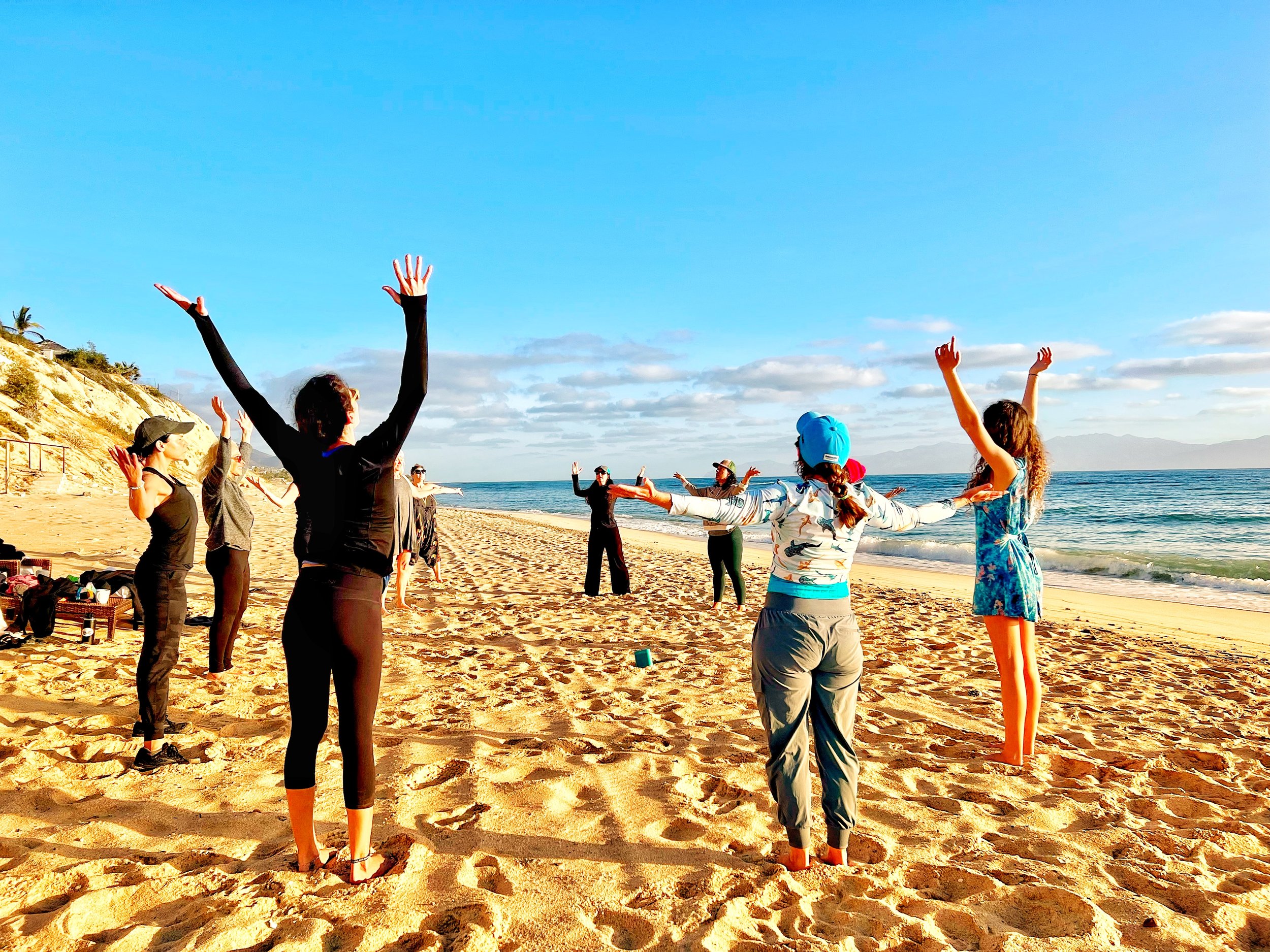
Slow yoga, stretching, or mindful walking helps discharge stored stress. We also love shaking and practices like Warrior Workouts (which you can adapt to your energy level).
3. Time in Nature
Nature provides predictable sensory input — gentle sounds, natural light, rhythmic patterns — which help regulate the nervous system.
Even 10 minutes outside can:
Lower cortisol
Slow heart rate
Improve mood
Take a walk around your neighborhood or sit in a park for a few minutes today.
4. Co-Regulation Through Safe Connection
Humans regulate best in community. Spending time with people who feel grounded and emotionally safe helps your body learn to feel safe again. This is called co-regulation.
Community circles, shared meals, and in-person workshops can be profoundly healing.
5. Vagus Nerve Stimulation
The vagus nerve is central to calming the nervous system. Simple practices include:
Humming or chanting
Gargling
Gentle neck stretches
Splashing cool water on your face
These stimulate the parasympathetic response - try it out the next time you feel stressed or overstimulated.
6. Limit Overstimulation
Chronic noise, social media scrolling, and multitasking keep the nervous system activated. Instead of doom scrolling, try:
Phone-free mornings
Quiet transitions between activities
Soft lighting in the evening
Small sensory adjustments create big shifts.
7. Grounding Practices
Grounding brings awareness back to the present moment.
Try the 5-4-3-2-1 technique. Name to yourself:
5 things you see
4 things you feel
3 things you hear
2 things you smell
1 thing you taste
This interrupts stress spirals.
8. Rest Without Guilt
True nervous system healing requires real rest. Not productivity disguised as rest, not scrolling disguised as connection… actual restoration.
Deep rest practices like Yoga Nidra or guided relaxation allow the body to repair and reset.

Why Nervous System Healing Is Foundational
When your nervous system feels safe, your intuition becomes clearer, your digestion improves, sleep deepens, creativity returns, relationships soften, and you feel more at home in your body.
This is why nervous system practices are central to so many of our offerings at Shine Living Community. Healing happens in safety. Growth happens in regulation.
A Gentle Invitation
If you’ve been holding a lot, know that you don’t have to do it alone.
Whether through breathwork, movement, nature immersion, or intentional gathering, nervous system regulation is possible… and it’s often simpler than we think.
When we listen, soften, and create spaces of safety together, everything begins to shift.

FAQ: Nervous System Support
Q: What does “nervous system calming” actually mean?
Nervous system calming refers to practices that help shift your body out of fight-or-flight (stress mode) and into rest-and-digest (safety mode). It supports nervous system regulation, helping you feel grounded, clear, and emotionally steady.
When your nervous system feels safe, your body can focus on healing, digestion, sleep, creativity, and connection.
Q: How do I know if my nervous system is dysregulated?
Common signs of nervous system dysregulation include:
Anxiety or racing thoughts
Trouble sleeping
Digestive discomfort
Feeling overwhelmed easily
Emotional reactivity
Chronic fatigue
Feeling numb or shut down
If you feel stuck in stress or exhaustion, your body may be asking for nervous system support.
Q: How long does it take to regulate your nervous system?
It depends on your history, stress load, and consistency of practice.
Some nervous system calming techniques — like slow breathing or grounding — can create noticeable relief within minutes. Deeper healing, especially if you’ve experienced chronic stress or trauma, is a gradual process that unfolds with regular support and safe connection.
The key is consistency, not intensity.
Q: What is the vagus nerve, and why is it important?
The vagus nerve is a major nerve in your body that plays a central role in activating the parasympathetic nervous system (your calming response).
When you stimulate the vagus nerve through practices like humming, chanting, slow breathing, or cold water on the face, you help your body shift into a state of safety.
Vagus nerve stimulation is one of the most effective tools for natural stress relief.
Q: Can nervous system calming help with anxiety?
Yes. Many calming techniques for anxiety work by regulating the nervous system.
Anxiety often arises when the body is stuck in fight-or-flight. By practicing breathwork, grounding, gentle movement, and co-regulation, you send signals of safety to the body — which can reduce anxious symptoms over time.
Q: Is nervous system regulation the same as therapy?
Not exactly — but they complement each other beautifully.
Therapy works with thoughts, emotions, and past experiences. Nervous system regulation works with the body’s physiological state. Many therapeutic approaches now integrate somatic (body-based) practices because the body holds stress patterns.
For example, books like The Body Keeps the Score explore how trauma impacts the nervous system and why embodied healing matters.
Q: Why does community help calm the nervous system?
Humans regulate through connection. This is called co-regulation.
When you are in the presence of grounded, safe, attuned people, your nervous system learns that it can relax. Tone of voice, eye contact, and shared presence all communicate safety.
This is why in-person gatherings, shared meals, and intentional circles can feel so healing — your body is receiving signals that you are not alone.
Q: What is the fastest way to calm the nervous system?
If you need immediate relief, try this:
Inhale slowly for 4 counts
Exhale slowly for 6–8 counts
Repeat for 2–5 minutes
Longer exhales activate the parasympathetic nervous system and can quickly reduce stress.
You can also:
Place one hand on your chest and one on your belly
Hum gently for 60 seconds
Step outside and focus on natural sounds
Simple is powerful.
Q: Why is nervous system regulation important for spiritual growth and intuition?
When the body feels unsafe, survival takes priority over insight.
But when the nervous system is calm:
Intuition becomes clearer
Emotional wisdom deepens
Presence expands
You can access creativity and connection more easily
At Shine Living Community, we see nervous system calming not as a trend, but as the foundation for aligned, embodied living.

In love and light,

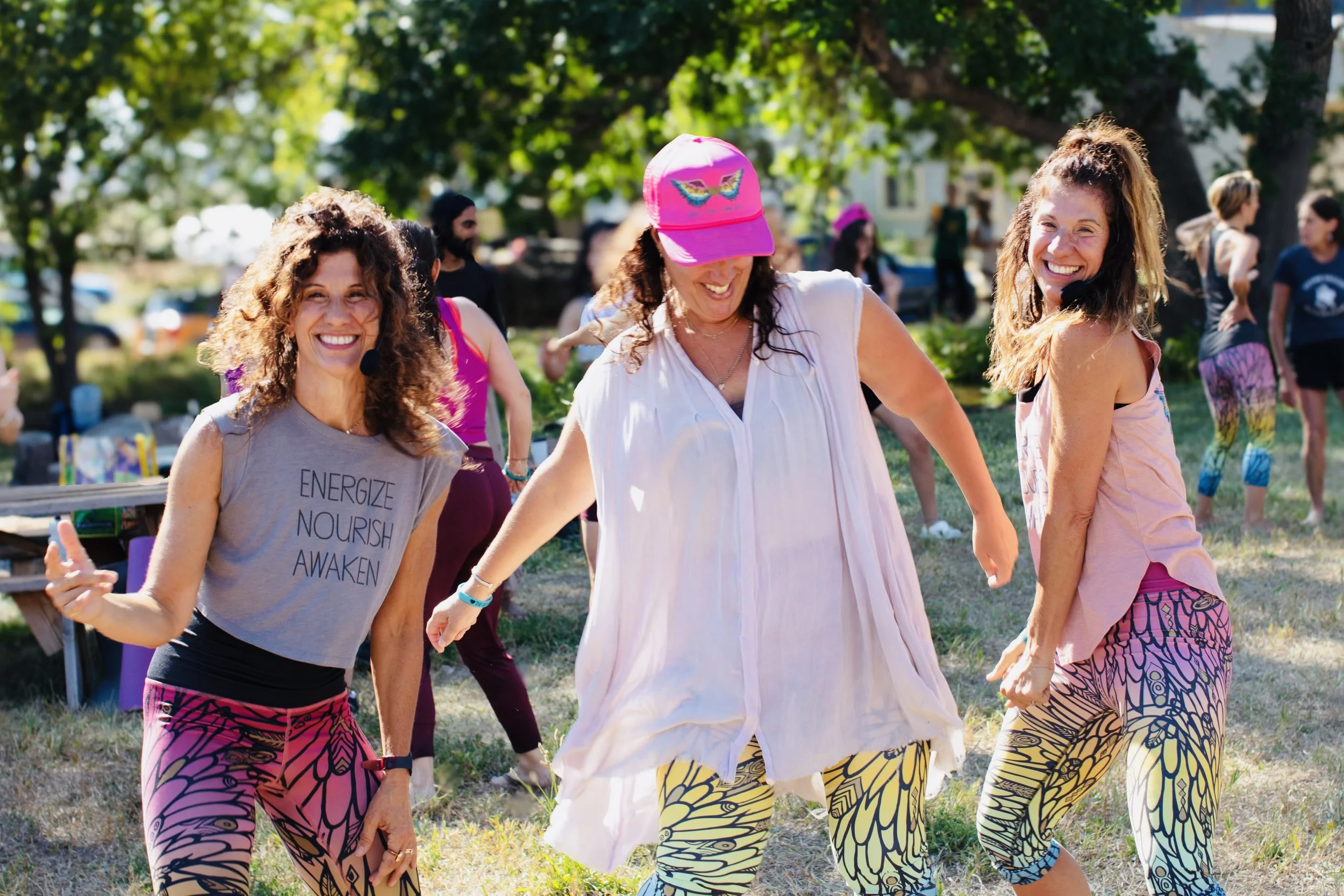
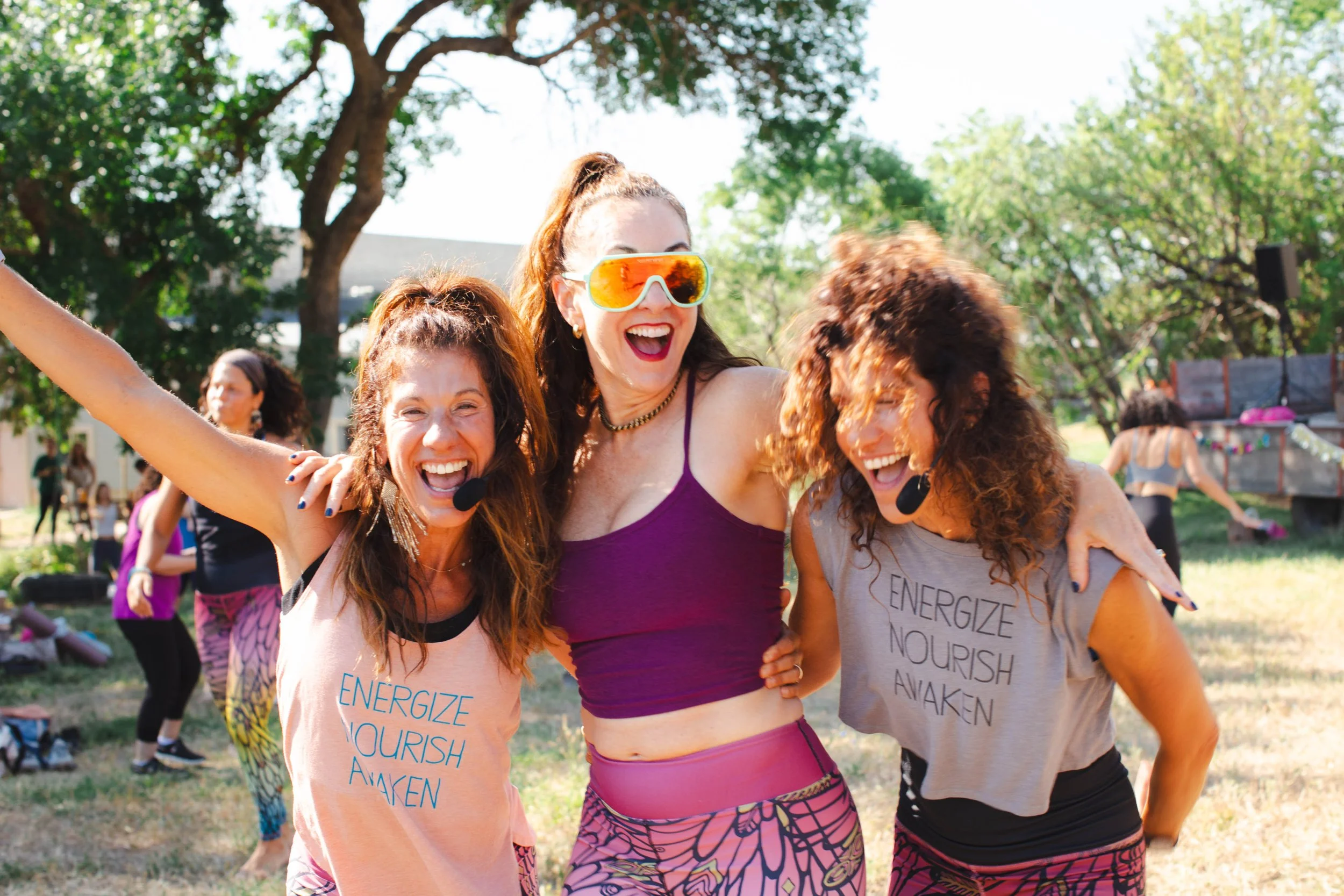
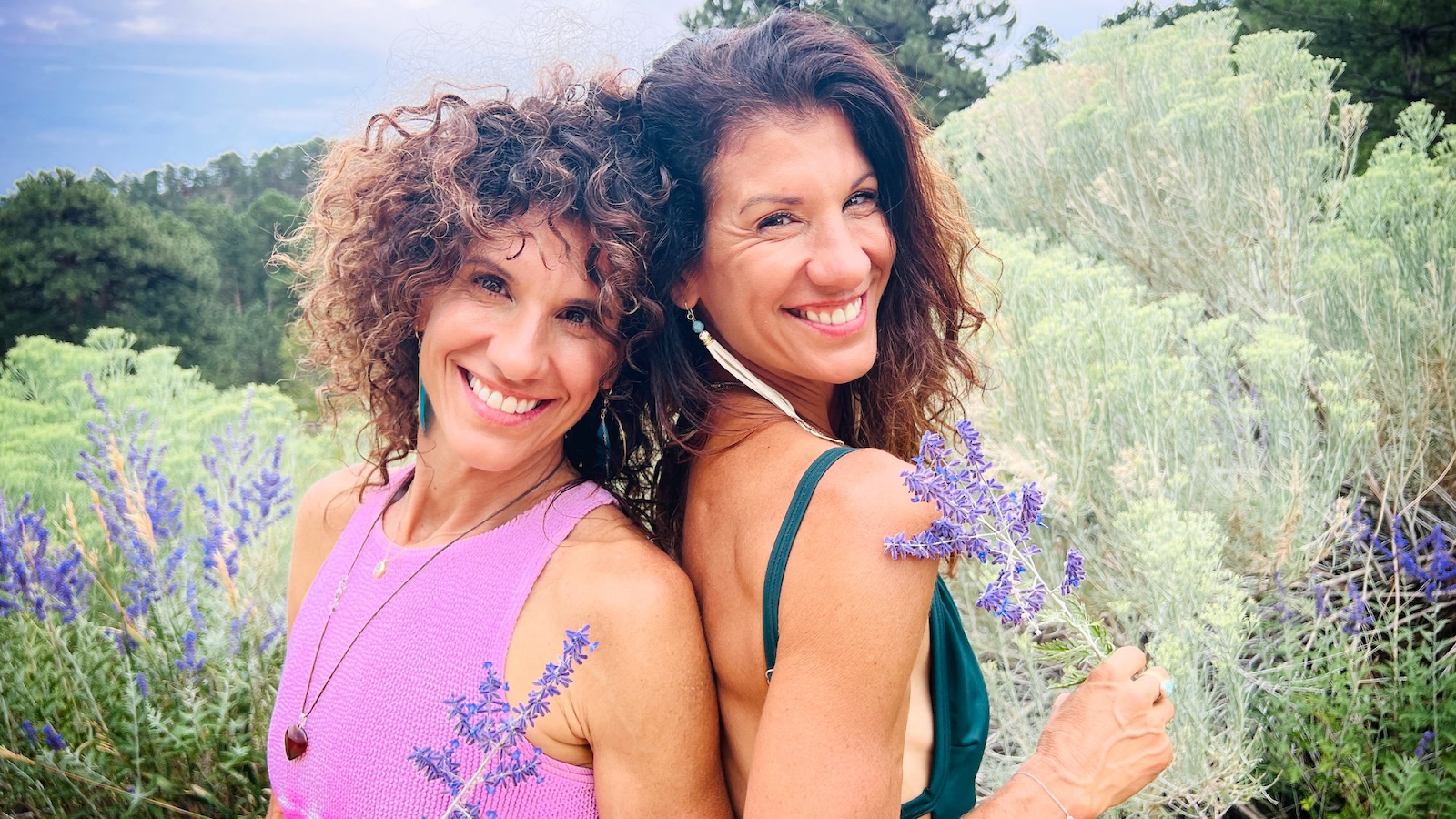
We are Jill & Jessica – the Shine Sisters – your guides to living your shine every day.
With our 40+ years combined experience in certified dance, yoga, reiki and nutrition ~ we are here to build community, empower from within and help you live your best life!